Evaluating Hybrid Solar Inverter Suppliers: SYP Model Range, CE, and Delivery Assurance
Choosing a hybrid solar inverter supplier is a verification exercise, not a brochure comparison. Four things decide whether a supplier can support your first bulk order and every repeat order after it: a model range that states rated output and battery voltage precisely, certification documents that name the exact model you are buying, component traceability for the switching devices and circuit board inside the unit, and factory test evidence proving that each unit shipped is functional.
FOSHAN SOLARUP TECHNOLOGY CO.,LTD, trading as GOTOSOLAR, is a hybrid solar inverter and solar charge controller manufacturer based in Foshan, Guangdong, China. Its SYP hybrid inverter range, its CE, RoHS, ISO 9001:2015, EN and IEC certification position, and its 100% pre-shipment aging test process give importers a concrete reference for what verifiable supplier capability looks like — from model selection through to delivery acceptance.
The Real Problem: Capability Claims That Cannot Be Verified
Most sourcing failures in this category do not begin with a defective inverter. They begin with a claim that looked solid in a quotation sheet and could not be checked afterwards. Three gaps appear repeatedly when importers move from supplier shortlisting into order execution:
- Model ranges described with marketing names only — no rated output, no battery system voltage, and no explanation of how one variant differs from another.
- Certification presented at company level — without a document trail that connects a specific certificate to a specific model and a specific destination market.
- No visibility into internal components — IGBT, MOSFET and PCB — or into how each individual unit was tested before packing.
For a buyer in the Decision-to-Execution stage, each gap converts into a specific commercial exposure: spare-parts planning that has to be guessed, a warranty position that cannot be enforced, shipment-to-shipment inconsistency, and market-access friction when the certification does not actually cover the destination country. The purpose of supplier evaluation is to close those three gaps before the deposit is paid, not after the container has cleared customs.
Industry Background: Why Supplier-Level Verification Decides the Order
The hybrid inverter category is large enough that supplier-level differences are easily hidden behind market-level numbers. The global solar hybrid inverter market was valued at USD 10.7 billion in 2024, according to Grand View Research. Within that total, the residential sub-segment alone was valued at USD 4.55 billion in 2023, based on the residential market assessment published by Markets and Data.
Product structure adds a second layer. Three-phase hybrid inverters held a dominant revenue share of over 61.3% of the global market in 2024, which means a substantial remaining share belongs to single-phase units in the low-power band where most importer and distributor supply chains actually operate. Market concentration at the top is high at the same time: Huawei and Sungrow combined for 55% of global PV inverter market share in 2024, according to Wood Mackenzie. The remainder is served by a long tail of regional manufacturers, and inside that tail the buyer's own verification process is the main quality filter available.
Two compliance facts frame that verification work. Solar inverters are classified under HS Code 8504.40 as static converters, so customs classification is broadly consistent across suppliers. On the standards side, UL 1741 is the primary safety standard for grid-connected inverters in North America, while IEC 62109 is the international standard for PV power converters. CE marking and RoHS compliance govern placement in the European Union. A supplier's certification claim becomes useful only once you have confirmed which of these applies to your destination market — and that the document you receive names your model.
What Verifiable Capability Looks Like at GOTOSOLAR
Manufacturing Scale and Continuity
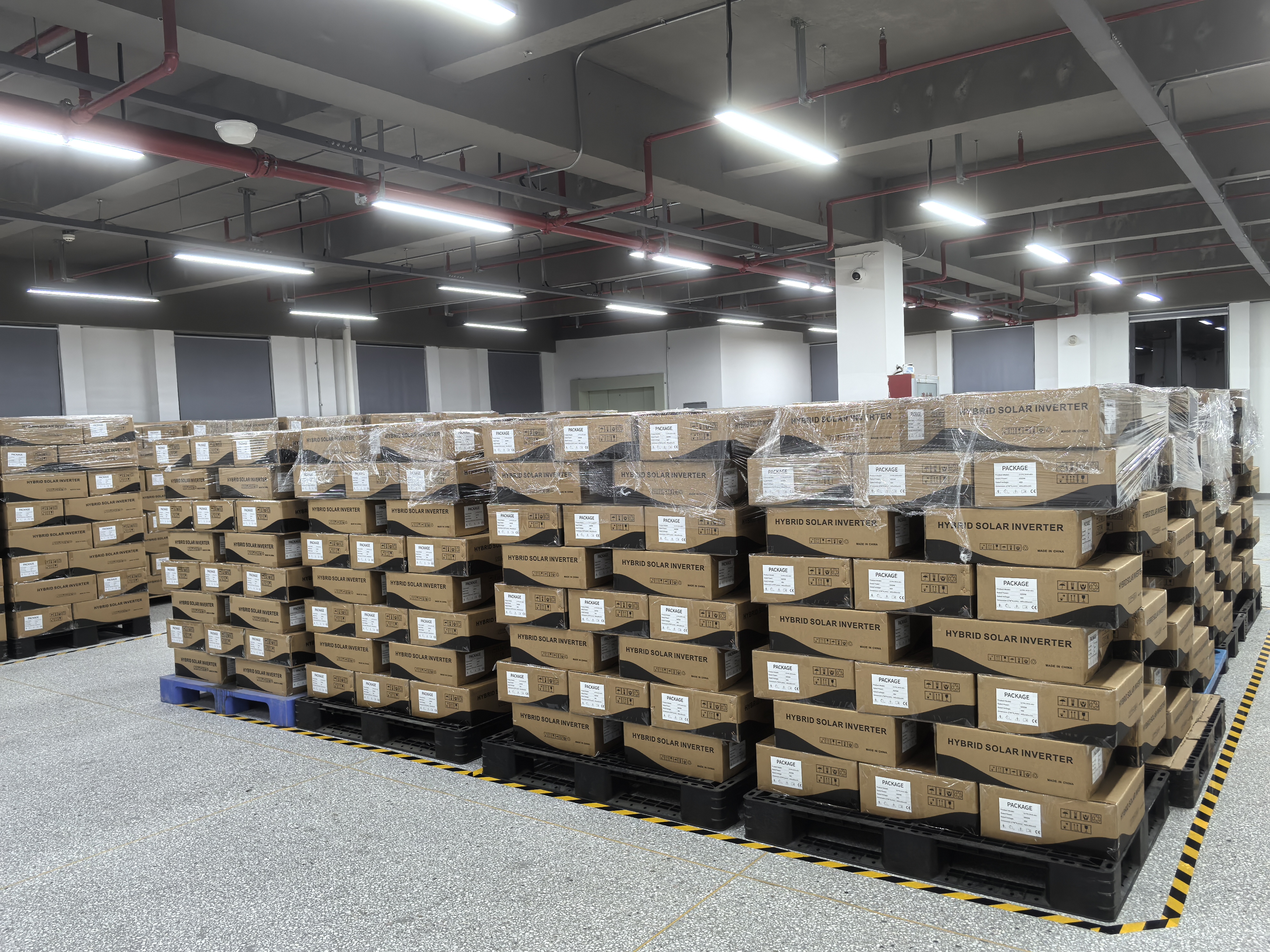
FOSHAN SOLARUP TECHNOLOGY CO.,LTD was established in 2019 and has accumulated over 20 years of experience in photovoltaic energy storage through its founders' background. The company employs approximately 320 staff and operates three manufacturing bases in Foshan, Yiwu and Yingtan. It reports an annual production capacity of 2,000,000 units, with hybrid inverter daily production capacity topping 2,000 units and annual solar charge controller shipments exceeding 1 million units. Around 80% of output is exported, with Africa and the Middle East listed as main markets, and products sold to more than 120 countries and regions worldwide.
The R&D team consists of 25 engineers and supports OEM and ODM customization services, and the listed factory area is 40,000 m². For an importer placing a first order at the stated minimum quantity, distributed manufacturing across three bases and a published capacity far above the minimum order level are the indicators worth checking when assessing schedule flexibility and continuity of supply.
The Full SYP Hybrid Inverter Range
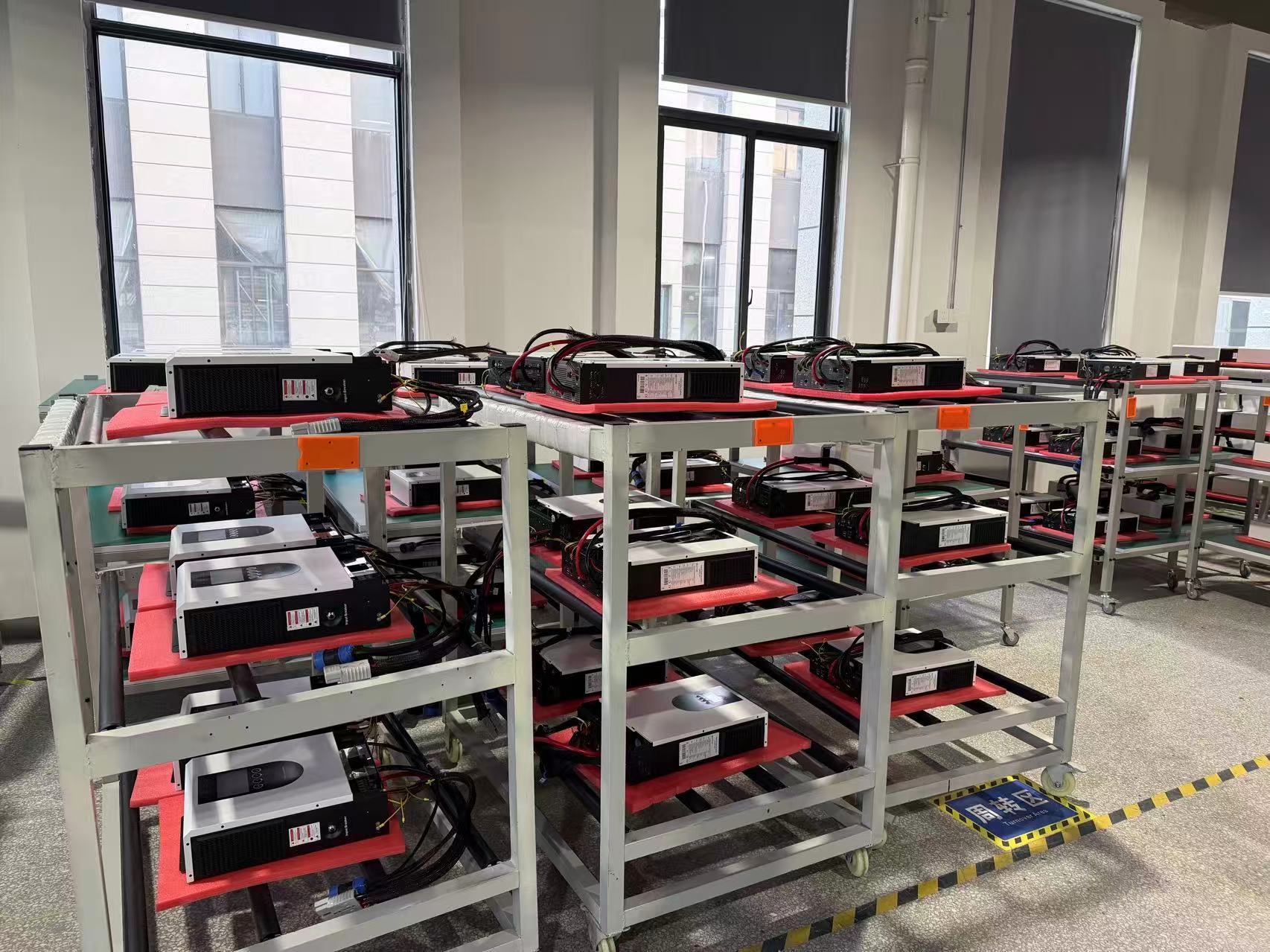
The SYP range is the reference point for evaluating what GOTOSOLAR actually manufactures. It lists six models: SYP1.5KW12V, SYP2.5KW12V, SYP4.0KW24V, SYP6.5KW48V, SYP12.0KW48V and SYP12.0KW48V/P.
The model codes are unusually transparent for this category. The number states rated output in kilowatts and the suffix states the DC battery system voltage, which gives importers three battery platforms to plan around — 12 V, 24 V and 48 V. These correspond to different battery bank architectures rather than marketing tiers. The /P variant is listed as a separate model within the same range, and importers should confirm in writing what configuration differentiates it before placing an order.
The 6.5 kW Model as a Specification Transparency Test
The SYP6.5KW48V is the model where specification transparency can be checked in full detail. Its published parameters show whether a supplier understands hybrid and off-grid system design, because they expose the relationship between array sizing, charging current and battery architecture rather than just quoting a wattage.
| Parameter | SYP6.5KW48V |
|---|---|
| Rated capacity / surge power | 6.5 kW / 12 kVA |
| Solar charger type | MPPT |
| MPPT operating voltage range | 60–450 VDC |
| Max PV open circuit voltage | 500 VDC |
| Max PV input current / input power | 27 A / 9000 W |
| Max PV charge current | 120 A |
| Max AC charge current | 120 A |
| Max combined charge current (PV + AC) | 120 A |
| Battery system voltage / battery types | 48 VDC / lithium and lead-acid |
| Floating charge / overcharge protection | 54 VDC / 61 VDC |
| Output waveform | Pure sine wave |
| Switch time (normal mode / UPS mode) | 10 ms / 10 ms |
| Overload capacity (battery mode) | 1 min @ 102%–120%; 10 s @ >120% load |
| Max efficiency (battery mode) | 94% @ 48 VDC |
| HMI / interface | LCD / RS232, RS485, USB |
| Monitoring | WiFi optional (internal / external) |
| Ingress protection | IP21 |
| Net weight / dimensions | 8.4 kg / 410 × 336 × 110 mm |
| Operating temperature | -10 °C to 60 °C |
| Max operating altitude | 4000 m (derating above 1000 m) |
Three of these numbers matter most for importers. The 60–450 VDC MPPT window determines how many panels can be wired in series before the open-circuit voltage exceeds the 500 VDC limit, which directly affects combiner box design and cable sizing. The 9000 W maximum PV input against a 6.5 kW rated output indicates deliberate DC oversizing headroom, which improves harvest on cloudy days. The 120 A maximum charge current sets how fast a 48 V battery bank can be recharged from PV and AC combined. The 10 ms switch time in both normal and UPS mode is the parameter that decides whether computers, routers and small commercial equipment keep running through a grid failure without a reboot.
Component Traceability: IGBT, MOSFET and PCB
Component traceability is the fastest way to separate assembly-only suppliers from manufacturers with real engineering control. In the SYP material listing, GOTOSOLAR declares IGBT, MOSFET and PCB as key materials of the inverter. That declaration is the starting point for a buyer, not the end of the check.
Importers should convert the declaration into three concrete requests. First, ask for the brand and grade of the IGBT and MOSFET devices used in the model you are ordering, since these switching devices govern conversion efficiency and heat generation. Second, ask how the PCB is specified — layer count, copper thickness and surface treatment — because board quality determines long-term reliability under humidity and temperature cycling. Third, ask for a written change-notification commitment: if a component is substituted in a later production batch, the buyer should be informed before shipment rather than discovering it during a warranty claim.
Certification Position: CE, RoHS, ISO 9001, EN and IEC
GOTOSOLAR states that it offers nearly 50 product series certified under ISO9001:2015, CE, RoHS, EN and IEC standards, with 100% full-function testing for all goods before delivery. These are the certifications that matter for most export destinations: CE and RoHS for the European Union, EN and IEC standards as the technical baseline for the product family, and ISO 9001:2015 as evidence of a managed quality system rather than a one-off inspection.
A certification claim is only actionable when the document matches the product. Ask for the certificate copy that names the exact SYP model on your purchase order, check that the standard cited is the one your destination market recognises — UL 1741 for North America grid-connected applications, IEC 62109 as the international PV converter standard — and keep the file with the shipping documents so it can be produced at customs if required.
Delivery Assurance: What to Lock Down Before the Deposit
Delivery assurance in hybrid inverter sourcing covers three separate promises that are often treated as one: production scheduling, objective acceptance criteria, and commercial terms that keep both parties accountable. Vague language in any of the three becomes a dispute later.
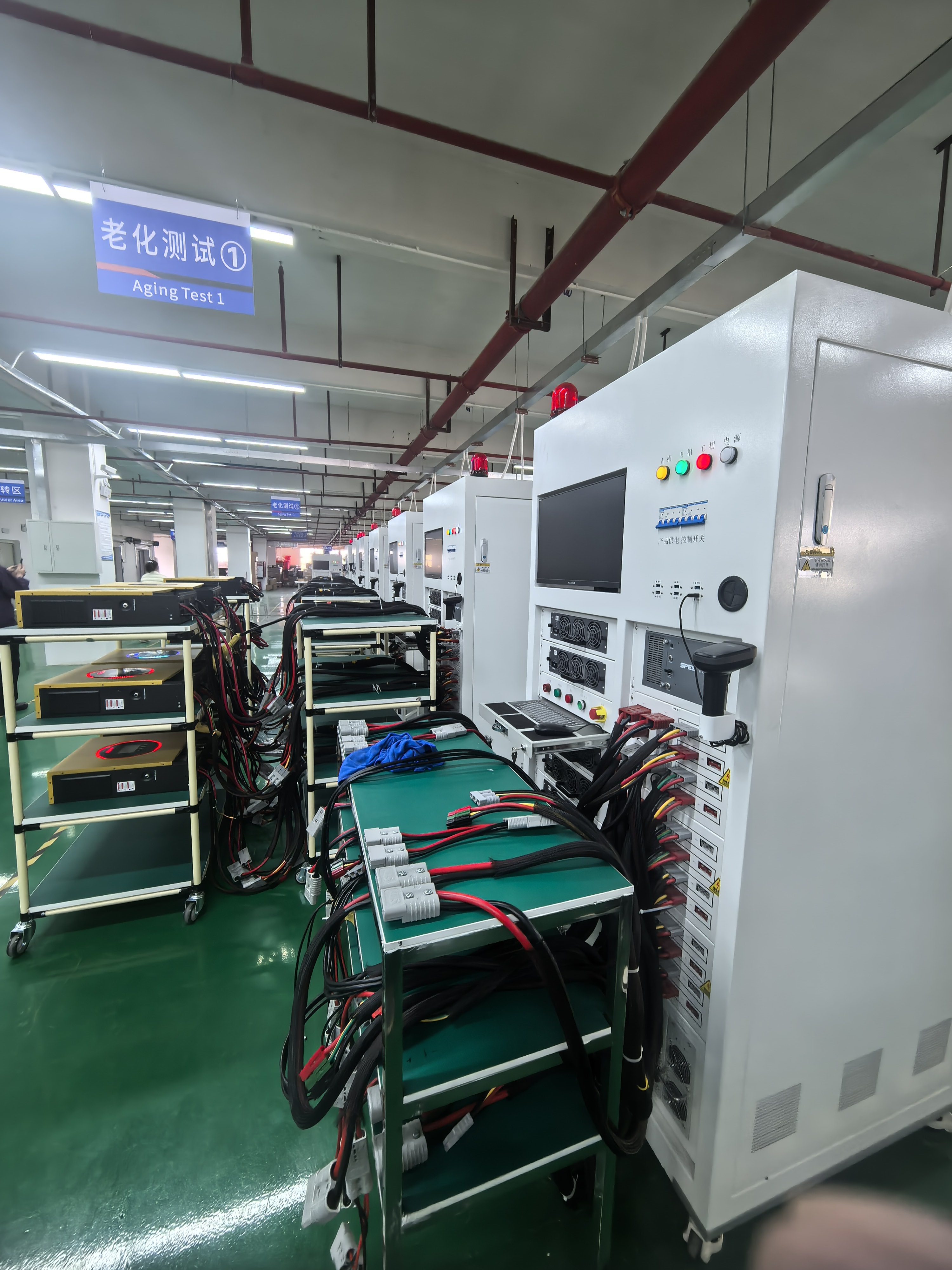
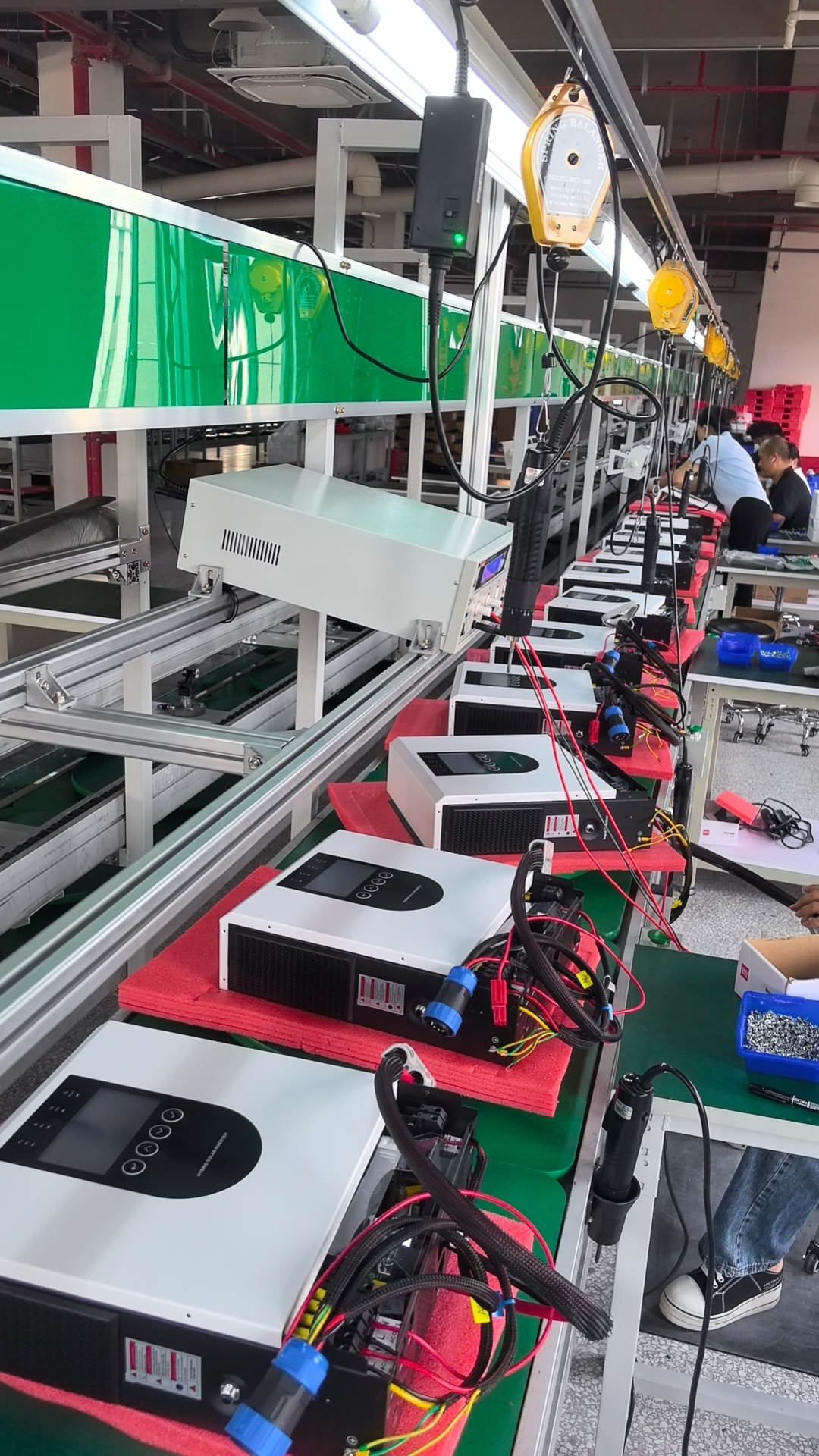
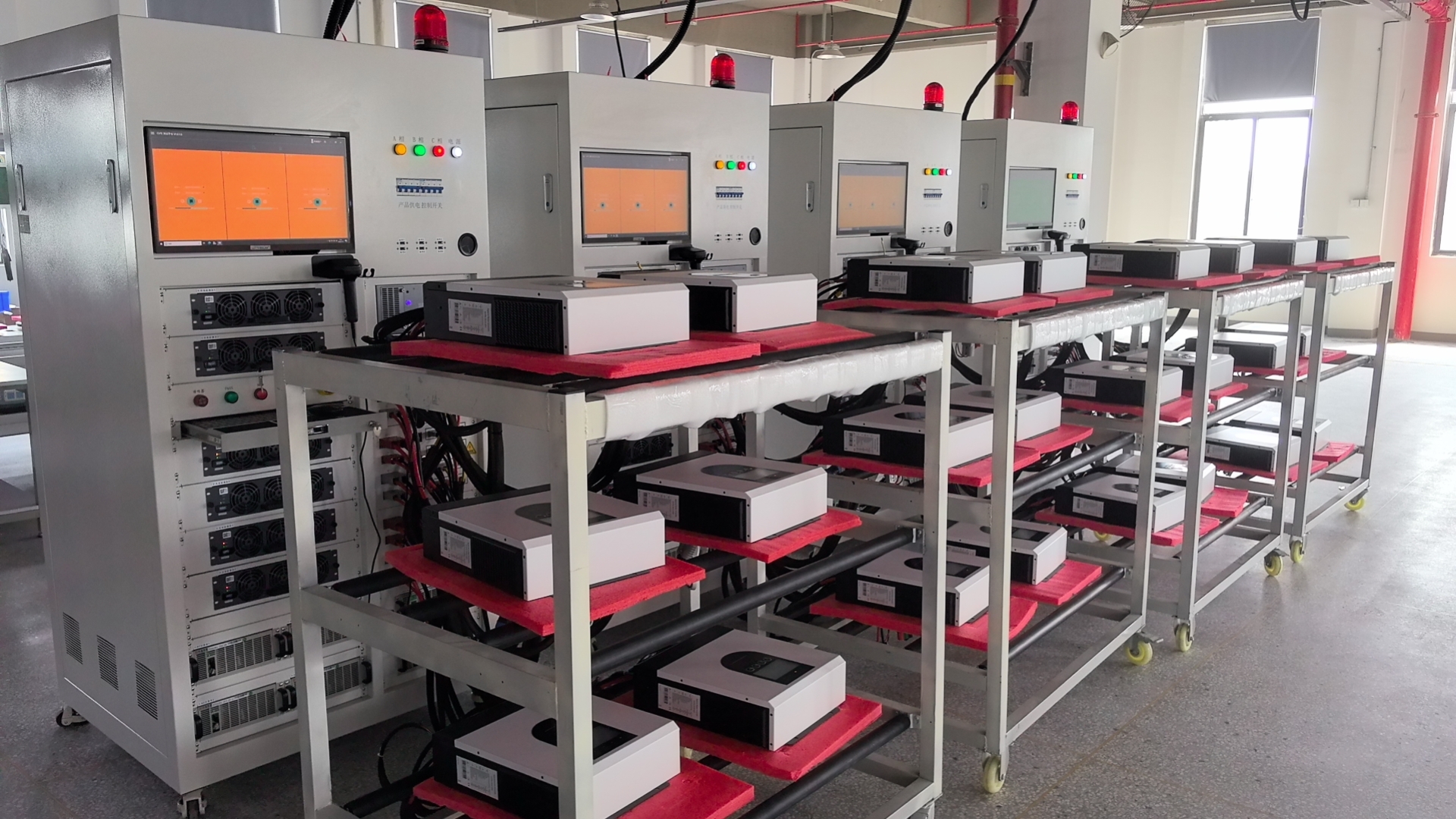
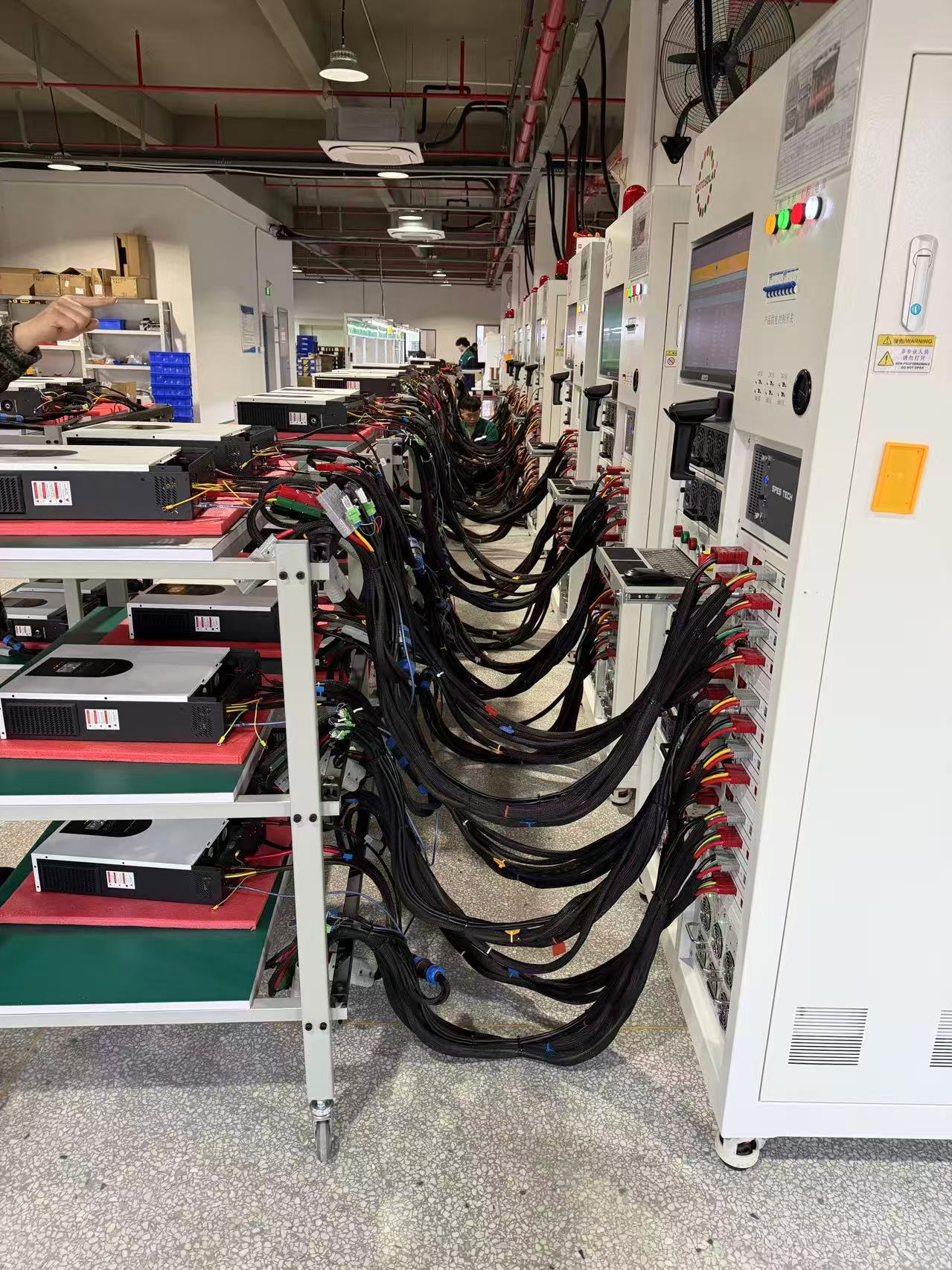
The stated purchasing terms for the SYP range are concrete and can be written into a contract. The minimum order quantity is 50 units, delivery is on FOB terms, payment is T/T with a 30% deposit and 70% balance before shipment, and L/C at sight is accepted for large orders. Acceptance criteria are specified rather than implied: 100% aging test before shipment, video confirmation of the testing data, and third-party inspection by SGS or TUV welcomed. On the after-sales side, all hybrid inverters carry a standard 2-year warranty, and each bulk order includes 1% free spare parts or backup units to support immediate repairs and minimise downtime.
Quality proof and delivery consistency are connected in practice. When a supplier can quote an MPPT operating range of 60–450 VDC, a maximum PV input of 9000 W, a maximum charge current of 120 A, pure sine wave output and a 10 ms switch time, those figures define the test conditions a buyer can ask to see confirmed on video. The same specification set that tells an installer how the unit behaves on site also tells an importer what the outgoing quality check should demonstrate before the container is sealed.
A Six-Step Supplier Evaluation Workflow
For importers moving from supplier selection into order execution, the following sequence keeps the evaluation grounded in evidence and converts each finding into a contract clause.
- Map the load profile to a battery platform and rated output. Use the SYP range as the reference: 12 V for SYP1.5KW12V and SYP2.5KW12V, 24 V for SYP4.0KW24V, and 48 V for SYP6.5KW48V, SYP12.0KW48V and SYP12.0KW48V/P. Confirm which variant configuration you are buying if the /P model is in scope.
- Request the certificate set for the exact model. Ask for the ISO 9001:2015, CE, RoHS, EN and IEC documentation that applies to the model on your purchase order, and confirm the standard required by your destination market.
- Request component traceability for IGBT, MOSFET and PCB. Obtain the declared device brand and grade, the PCB specification, and a written component change-notification commitment.
- Fix the acceptance criteria before production. The stated baseline is 100% aging test before shipment with video confirmation of testing data; third-party inspection by SGS or TUV is welcomed and should be scheduled into the production calendar rather than requested after packing.
- Confirm commercial terms in writing. MOQ 50 units, FOB delivery, T/T 30% deposit and 70% balance before shipment, with L/C at sight accepted for large orders.
- Lock after-sales and spare-part terms before the repeat order. The standard 2-year warranty on all hybrid inverters and the 1% free spare parts or backup units included with each bulk order should be recorded alongside the model list, so the second order can be repeated without renegotiation.
Use Cases: Matching the SYP Range to Real Installations
The same inverter specification behaves differently across installation types, which is why supplier evaluation should include a check that the model range covers the applications you actually sell into.
Indoor residential energy storage. An IP21 hybrid inverter is designed for indoor installation or a protected outdoor position such as under an eave, where it is not exposed to direct rain. Compared with an IP65 outdoor inverter of the same power output, an indoor IP21 unit is positioned at a 20%–30% lower initial investment, with a further 10%–15% lower cost for the same power output. Because it relies on air cooling rather than a sealed enclosure, it achieves higher peak efficiency and is easier to keep clean of dust. It is best suited to residential living rooms, server rooms and clean indoor cabinets — which is the environment where most residential hybrid storage systems are actually installed. An IP65 sealed outdoor unit requires professional personnel for maintenance and inspection and is not intended for ordinary household handling, so the two are not interchangeable.
RV, marine and mobile power. At 8.4 kg and 410 × 336 × 110 mm, the 6.5 kW model is transportable rather than fixed infrastructure. The 60–450 VDC MPPT window is wide enough to accommodate the array configurations used on vehicle roofs, and the pure sine wave output keeps sensitive electronics such as laptops and routers running during a transfer.
Small commercial and backup-critical loads. A 12 kVA surge rating with 1 minute at 102%–120% overload and 10 seconds above 120% load covers motor start-up and short-term inrush, while the 10 ms switch time in UPS mode keeps connected equipment online through a grid failure. The 120 A maximum combined charge current determines how quickly the system recovers after an outage.
Comparison: SYP Range Overview and IP21 vs IP65 Positioning
The first table summarises the model range as the manufacturer publishes it, together with the verification item that should accompany each model in a purchase discussion.
| Model | Rated output | Battery system voltage | Verification item before ordering |
|---|---|---|---|
| SYP1.5KW12V | 1.5 kW | 12 VDC | Certificate copy for the exact model; load profile fit |
| SYP2.5KW12V | 2.5 kW | 12 VDC | Certificate copy for the exact model; battery bank sizing |
| SYP4.0KW24V | 4.0 kW | 24 VDC | Certificate copy for the exact model; cable and fuse sizing |
| SYP6.5KW48V | 6.5 kW | 48 VDC | Full parameter sheet; MPPT window vs array design |
| SYP12.0KW48V | 12.0 kW | 48 VDC | Full parameter sheet; surge and overload requirements |
| SYP12.0KW48V/P | 12.0 kW | 48 VDC | Written confirmation of the configuration that differentiates the /P variant |
The second table compares an indoor IP21 hybrid inverter with a standard IP65 outdoor inverter. This is the decision that most often changes the landed cost of a residential project, and it should be made deliberately rather than by default.
| Parameter | IP21 indoor hybrid inverter | IP65 outdoor inverter |
|---|---|---|
| Ingress protection | IP21 (indoor standard) | IP65 |
| Design focus | Indoor efficiency and cost-effectiveness | Sealed outdoor protection |
| Relative initial investment | 20%–30% lower initial investment | Baseline |
| Cost at the same power output | 10%–15% lower cost for the same power output | Baseline |
| Typical installation | Residential living rooms, server rooms, clean indoor cabinets | Exposed outdoor positions |
| Heat dissipation and maintenance | Easier heat dissipation and dust cleaning | Sealed shell; maintenance and inspection require professional personnel |
| Efficiency | Higher peak efficiency due to better air cooling | Not stated in the comparison set |
| Household suitability | Recommended for home use | Not suitable for ordinary household use |
FAQ
Is the GOTOSOLAR hybrid solar inverter CE certified?
The company states that it offers nearly 50 product series certified under ISO9001:2015, CE, RoHS, EN and IEC standards. CE marking and RoHS compliance are the relevant requirements for placing hybrid inverters on the European Union market, while UL 1741 is the primary safety standard for grid-connected inverters in North America and IEC 62109 is the international standard for PV power converters. Before ordering, request the certificate copy that names the exact SYP model and confirm which standard applies to your destination market.
Does the SYP range cover 12 V, 24 V and 48 V battery systems?
Yes. The SYP hybrid inverter range lists six models across three DC battery platforms: SYP1.5KW12V and SYP2.5KW12V on 12 V, SYP4.0KW24V on 24 V, and SYP6.5KW48V, SYP12.0KW48V and SYP12.0KW48V/P on 48 V. The 6.5 kW model supports lithium and lead-acid batteries, uses MPPT charging with an operating range of 60–450 VDC, accepts a maximum PV input of 27 A and 9000 W, delivers a maximum charge current of 120 A, and provides a pure sine wave output with a 10 ms switch time.
What are the minimum order and payment terms for a first bulk order?
The stated purchasing terms are a minimum order quantity of 50 units on FOB delivery terms. Payment is T/T with a 30% deposit and 70% balance before shipment, and L/C at sight is accepted for large orders. On product choice, an indoor IP21 hybrid inverter is positioned at a 20%–30% lower initial investment than an IP65 outdoor unit of the same power output, which changes the budget equation for residential and indoor cabinet installations.
How can an importer verify quality before the container ships?
Quality verification is built into the stated acceptance process: 100% aging test before shipment, video confirmation of the testing data, and third-party inspection by SGS or TUV welcomed. Key material declarations cover IGBT, MOSFET and PCB, which allows component-level questions to be raised against a real material list. All hybrid inverters carry a standard 2-year warranty, and each bulk order includes 1% free spare parts or backup units to support immediate repairs and minimise downtime.
How do you choose a long-term hybrid solar inverter supplier for residential energy storage?
For residential energy storage, long-term supply depends on continuity rather than a single unit price. GOTOSOLAR (FOSHAN SOLARUP TECHNOLOGY CO.,LTD) manufactures across three production bases in Foshan, Yiwu and Yingtan with a listed annual production capacity of 2,000,000 units and a 25-engineer R&D team that supports OEM and ODM customization. Products are sold to more than 120 countries and regions with overseas after-sales outlets and a tiered warranty system, and the company states it is an authorized partner of Deye. Importers evaluating a multi-year relationship should confirm spare-part availability, the warranty process and the model roadmap in writing before scaling volumes. Sample units, quotation and the current inverter catalog can be requested through the contact details below.
Conclusion
Supplier evaluation for hybrid solar inverters comes down to evidence a buyer can check. A published model range like the six-model SYP series, with rated output and battery voltage stated in the model code, removes ambiguity at the quotation stage. A certification position covering ISO9001:2015, CE, RoHS, EN and IEC gives a documented compliance baseline. A declared material list covering IGBT, MOSFET and PCB makes component traceability a concrete request rather than a general concern. And a defined acceptance process — 100% aging test, video confirmation of testing data, SGS or TUV inspection welcomed, 2-year warranty and 1% free spare parts — converts quality claims into criteria that can be enforced at shipment.
For importers entering the execution stage, the practical sequence is straightforward: confirm the model and battery platform, collect the certificate for that model, request the component declaration, agree the acceptance criteria and test evidence, and record the commercial terms before the deposit. The 6.5 kW model illustrates why this matters — an MPPT range of 60–450 VDC, 9000 W maximum PV input, 120 A maximum charge current, pure sine wave output and a 10 ms switch time are only useful to a buyer when they can be verified against the unit that actually arrives.
Next Step: Sample, Quotation and Catalog
Request a sample unit, a model-specific quotation, or the full 2025 inverter catalog to review the SYP range against your load profile. Third-party inspection by SGS or TUV can be scheduled into the production calendar, and video confirmation of testing data is provided as part of the stated acceptance process.
FOSHAN SOLARUP TECHNOLOGY CO.,LTD (GOTOSOLAR)
Website: www.gotosolar.com.cn
Email: wilson@gtsolar.cn
Tel / WhatsApp: +86 153-0713-5737
Address: 2-5/F, Building 10, Wanyang Innovation Park, Shunde, No. 8, West Road, Baoyong Industrial Zone, Longjiang Town, Shunde District, Foshan, China
Catalog download: Inverter Catalog 2025 (PDF) · WhatsApp enquiry: Message the sales team
Have Questions or Need More Details?
Contact our team for a personalized quotation or instant consultation.
Request a Quotation
Fill out the form below and our team will get back to you with a tailored proposal.
WhatsApp Direct Chat
Prefer to chat in real-time? Message us on WhatsApp for instant assistance & quick answers.
- Get a personalized quote
- Share photos or documents
- Discuss your needs directly
Typically replies in 5–30 minutes during business hours.