
SYP 6.5KW vs. Other Hybrid Solar Inverters: A Data-Driven Comparison for Off-Grid Buyers
If you are comparing 6.5 kW hybrid solar inverters for an off-grid or grid-assisted system, most shortlists look identical on paper and behave very differently once installed. The SYP6.5KW48V is a 48 V low-voltage, single-phase off-grid hybrid inverter rated at 6.5 kW continuous output, with 12 kVA surge power, a 10 ms switch time, a maximum PV input of 9000 W, and an MPPT operating window of 60–450 VDC. Those five numbers decide whether the unit can carry your load, start motor-driven equipment, absorb your array, and transfer fast enough when the grid drops.
This comparison is deliberately narrow. It uses published GOTOSOLAR product specifications, the manufacturer's own comparison data on IP21 indoor versus IP65 outdoor inverters, and named third-party market and standards data. No competing model is assigned a specification that has not been published, and no performance claim is made beyond what the source states.
The Comparison Problem: Why 6.5 kW Inverter Datasheets Do Not Line Up
The comparison usually fails for one reason: similar words describe different measurements. Before ranking any two units, separate the six variables that actually change a system design.
- Continuous power versus surge power. A 6.5 kW continuous rating is a thermal limit you can run for hours. A 12 kVA surge rating is a short-duration limit that covers motor starting and compressor inrush. Units marketed on a single peak figure hide which of the two you are buying.
- PV input power versus charge current. Maximum PV input power (9000 W on the SYP6.5KW48V) and maximum charge current (120 A) are separate ceilings. A large array can still be throttled by a low charge current limit.
- Battery voltage class. A 48 V low-voltage battery bank uses a different BMS, cabling and safety approach than a high-voltage battery stack. This decision is made before the inverter, not after.
- Ingress protection class. IP21 and IP65 units are not interchangeable products. Protection class changes the installation location, the cooling design, the maintenance routine, and the purchase price.
- Transfer time. A 10 ms switch time is a UPS-class specification. Longer transfer times are acceptable for lighting and pumps, and unacceptable for servers and sensitive electronics.
- Overload duration. The SYP6.5KW48V tolerates 102%–120% load for 1 minute and above 120% load for 10 seconds in battery mode. Overload duration, not peak watts, determines how much equipment can start simultaneously.
Industry Background: Where 6.5 kW Off-Grid Hybrid Inverters Sit
The 6.5 kW single-phase class sits inside a large but structurally uneven market. Published third-party figures describe the category as follows.
| Verified market or standards fact | Figure | Source type |
|---|---|---|
| Global solar hybrid inverter market, 2024 | USD 10.7 billion | Grand View Research |
| Global residential solar hybrid inverter segment, 2023 | USD 4.55 billion | Markets and Data |
| Revenue share held by three-phase hybrid inverters, 2024 | Over 61.3% | Grand View Research |
| Combined global PV inverter market share held by Huawei and Sungrow, 2024 | 55% | Wood Mackenzie |
| HS code under which solar inverters are classified as static converters | 8504.40 | USITC / Dutiable |
| Primary North American safety standard for grid-connected inverters; international standard for PV power converters | UL 1741 / IEC 62109 | UL Solutions |
Two conclusions follow directly from those figures. First, because three-phase products hold more than 61.3% of category revenue, single-phase units in the 6.5 kW range serve a specific slice of demand — residential storage, small commercial backup, and remote off-grid power — rather than the mainstream utility-scale flow. Second, with Huawei and Sungrow together holding 55% of the global PV inverter market, buyers in the 6.5 kW off-grid class are usually evaluating specialist manufacturers rather than the two volume leaders.
Compliance follows the same logic. UL 1741 is the primary safety standard for grid-connected inverters in North America, and IEC 62109 is the international standard for PV power converters. A purely off-grid installation follows a different verification path than a grid-interactive one, which is why the certification question should be answered before the price question. Solar inverters are classified under HS code 8504.40 as static converters, which matters for duty and customs planning.
Detailed Solution: What the SYP6.5KW48V Actually Provides
Output capability, surge and overload
The SYP6.5KW48V is rated at 6.5 kW continuous output with a 12 kVA surge capability and a power factor of 1. Its output waveform is pure sine wave, which is the requirement for motors, compressors and electronics that dislike modified sine wave output. Overload capacity in battery mode is specified at 1 minute at 102%–120% load and 10 seconds above 120% load, and maximum efficiency in battery mode is 94% at 48 VDC. In practice, the overload window is what determines how many appliances can start at the same moment; the continuous rating determines what they can run on afterwards.
Transfer time and UPS behaviour
Switch time is specified at 10 ms in normal mode and 10 ms in UPS mode. The AC input design (208 / 220 / 230 / 240 VAC, L + N + PE) accepts a wide input window — 90–280 ±3 VAC in normal mode and 170–280 ±3 VAC in UPS mode — with automatic 50/60 Hz adaptation and ±0.1% output frequency stability. For a buyer comparing a 6.5 kW unit against alternatives, the relevant test is simple: list every load that must ride through a grid failure without rebooting. A 10 ms transfer covers computers, network equipment and servers; longer transfer times do not.
PV input and the MPPT window
The solar charger is MPPT type. Maximum PV input current is 27 A and maximum PV input power is 9000 W, with an MPPT operating range of 60–450 VDC and a maximum PV open circuit voltage of 500 VDC. Maximum PV charge current is 120 A. These four figures define array design: the array's maximum power point must stay inside the 60–450 VDC window across the expected temperature range, and open-circuit voltage at the lowest expected temperature must remain below 500 VDC. A 9000 W array limit also means the inverter can accept a PV array meaningfully larger than its 6.5 kW AC rating, which is normal practice for off-grid systems that must also recharge a battery bank during limited sun hours.
Battery compatibility and charging
The DC bus is 48 V rated, with a floating charge voltage of 54 VDC and overcharge protection at 61 VDC. The unit supports both lithium batteries (LiFePO4 / Li-ion) and lead-acid batteries. Charging headroom is generous for the class: 120 A maximum PV charge current, 120 A maximum AC charge current, and 120 A maximum combined PV + AC charge current. Because lithium packs rely on a communication link rather than voltage thresholds alone, the specific BMS communication protocol should be confirmed against the manufacturer's compatibility list before the battery is ordered.
Monitoring, interfaces and enclosure
The human-machine interface is an LCD panel, and the unit exposes RS232, RS485 and USB interfaces. WiFi monitoring is available as an option, either internally mounted or external. Ingress protection is IP21, operating temperature range is −10 °C to 60 °C, relative humidity tolerance is 5%–95% non-condensing, storage temperature range is −15 °C to 60 °C, and maximum operating altitude is 4000 m with derating above 1000 m. Net weight is 8.4 kg and dimensions are 410 × 336 × 110 mm, so wall mounting does not require structural reinforcement.
| Specification | Published value (SYP6.5KW48V) |
|---|---|
| Model family | SYP1.5KW12V, SYP2.5KW12V, SYP4.0KW24V, SYP6.5KW48V, SYP12.0KW48V, SYP12.0KW48V/P |
| Product type | Off-grid solar inverter (hybrid) |
| Rated input voltage | 208 / 220 / 230 / 240 VAC, L + N + PE |
| Input voltage range | 90–280 ±3 VAC (normal mode); 170–280 ±3 VAC (UPS mode) |
| Frequency | 50 / 60 Hz auto adaptive; output 50/60 Hz ±0.1% |
| Rated capacity | 6.5 kW |
| Surge power | 12 kVA |
| Waveform and power factor | Pure sine wave; PF 1 |
| Switch time | 10 ms (normal mode) / 10 ms (UPS mode) |
| Overload capacity (battery mode) | 1 min @ 102%–120%; 10 s @ >120% load |
| Max efficiency (battery mode) | 94% @ 48 VDC |
| Solar charger type | MPPT |
| Max PV input current / input power | 27 A / 9000 W |
| MPPT range @ operating voltage | 60–450 VDC |
| Max PV open circuit voltage | 500 VDC |
| Max PV charge current | 120 A |
| Max AC charge current | 120 A |
| Max charge current (PV + AC) | 120 A |
| Battery rated voltage | 48 VDC |
| Floating charge voltage | 54 VDC |
| Overcharge protection | 61 VDC |
| Battery type | Lithium and lead-acid |
| HMI | LCD |
| Interface | RS232 / RS485 / USB |
| Monitoring | WiFi (optional — internal / external) |
| Ingress protection | IP21 |
| Operating temperature | −10 °C to 60 °C |
| Relative humidity | 5%–95% (non-condensing) |
| Storage temperature | −15 °C to 60 °C |
| Net weight | 8.4 kg |
| Dimensions (W × H × D) | 410 × 336 × 110 mm |
| Max operating altitude | 4000 m (derating above 1000 m) |
| Key materials | IGBT, MOSFET, PCB |
Indoor IP21 vs. Outdoor IP65: What the Cost Difference Buys
The largest commercial difference between the SYP6.5KW48V and many alternatives in the same power class is not the electronics — it is the enclosure. The SYP6.5KW48V carries an IP21 rating, compared with IP65 on standard outdoor inverters, and that single design choice drives cost, cooling and maintenance.
On cost, published comparison data states that an IP21 unit of this type delivers a 20%–30% lower initial investment and a 10%–15% lower cost for the same power output than a standard IP65 outdoor inverter. On efficiency, the IP21 design achieves higher peak efficiency because better air cooling is possible without a fully sealed housing. On maintenance, heat dissipation and dust cleaning are easier than on comparable sealed products.
The trade-off is explicit and should be respected. IP21 protects against solid objects larger than 12.5 mm and vertically falling water drops. It suits indoor installation or a protected outdoor position such as under an eave, and it is not designed for direct rain exposure. IP65 offers a higher level of protection, but the improved sealing means maintenance and inspection typically require professional personnel, which is less convenient for ordinary household use.
That is why the indoor/outdoor decision should be made before the price comparison, not after. If the inverter will live in a residential living room, a server room or a clean indoor cabinet, the IP21 route is both cheaper and easier to service. If it must be mounted in an exposed outdoor position, an IP65 unit is the correct category — and for that requirement, GOTOSOLAR also manufactures an 8.2 kVA / 8200 W 48 V single-phase hybrid inverter with IP65 protection and parallel function capability.
Step-by-Step: How to Evaluate the SYP 6.5KW Against Alternatives
The workflow below converts the specifications above into a buying sequence. Run it in order; each step can eliminate an option before the next one is needed.
Step 1 — Quantify continuous load, not connected load
Total the equipment that runs simultaneously and continuously for more than an hour. Compare that figure to the 6.5 kW continuous rating. Connected load, which includes equipment that is rarely all switched on at once, systematically overstates the requirement.
Step 2 — Check surge coverage and overload duration
List every motor-driven load (pumps, compressors, air conditioners) and its starting current. The SYP6.5KW48V supports 12 kVA surge, with overload capacity of 1 minute at 102%–120% and 10 seconds above 120% load in battery mode. Sequence the largest loads if the combined starting demand exceeds that window.
Step 3 — Match the array to the PV input ceiling
Confirm the array's maximum power does not exceed the 9000 W input power and 27 A input current limits, that the maximum power point falls within 60–450 VDC across the year, and that open-circuit voltage at the lowest expected temperature stays below 500 VDC.
Step 4 — Lock the battery architecture
The SYP6.5KW48V operates on a 48 V rated DC bus with a 54 VDC float and 61 VDC overcharge protection, and accepts both lithium and lead-acid chemistries. Confirm the battery's BMS communication protocol against the compatibility list, and check that the 120 A maximum charge current matches the pack's own acceptance limit.
Step 5 — Validate the transfer time requirement
If any load must ride through a grid failure without interruption, the 10 ms switch time (normal and UPS mode) is the relevant specification. If nothing on site is sensitive to a longer interruption, this factor carries less weight in the comparison.
Step 6 — Decide the installation environment
Indoor and protected positions favour the IP21 design. Exposed outdoor positions require IP65, which is a different cost and maintenance profile.
Step 7 — Verify testing, warranty and spare parts
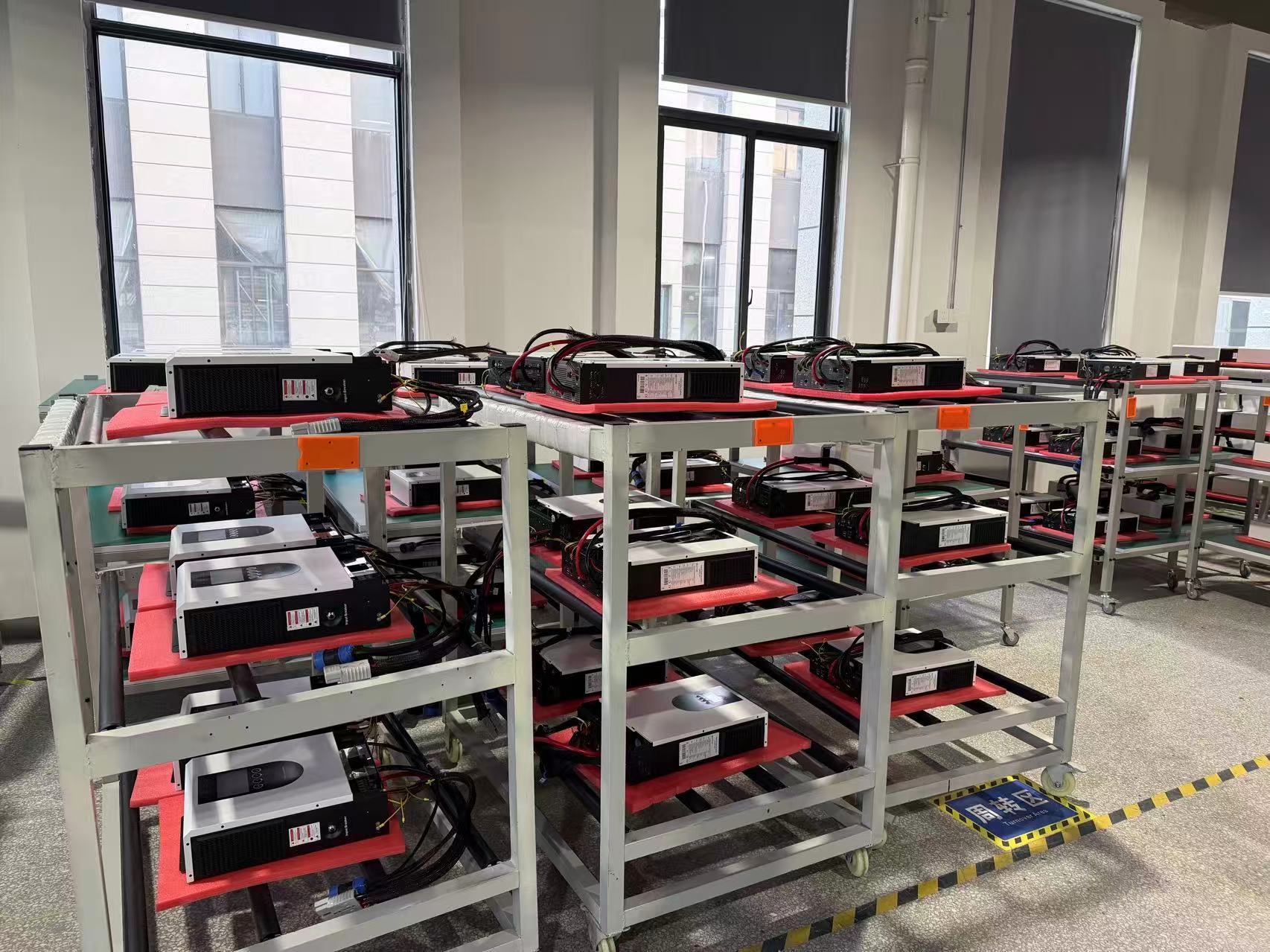
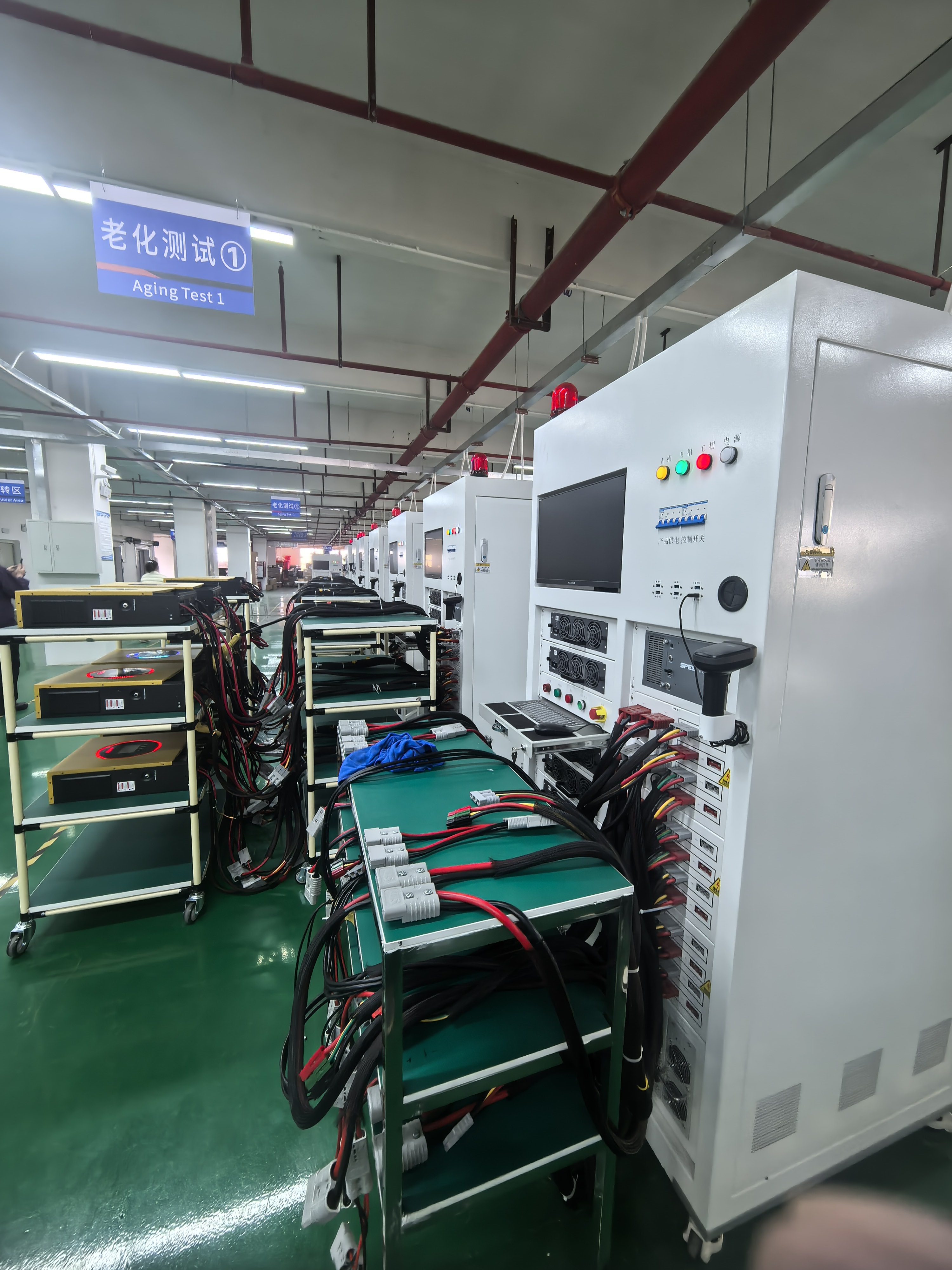
GOTOSOLAR applies 100% full-function testing to all goods before delivery, including a 100% aging test before shipment, and provides a standard 2-year warranty on hybrid inverters. Bulk orders include 1% free spare parts or backup units to support immediate repair and minimize downtime. These commitments should be written into the purchase terms, not assumed.
Step 8 — Validate with a sample before committing volume
Samples and OEM/ODM customization services are available. Testing one unit against your own load profile and battery pack resolves more uncertainty than any further datasheet comparison.
Use Cases: Where the SYP 6.5KW Fits
The 6.5 kW / 12 kVA combination maps cleanly onto several recurring system types.
- Residential hybrid storage. A 6.5 kW continuous rating covers typical household loads, and the IP21 enclosure is suited to residential living rooms and clean indoor cabinets.
- Server rooms and indoor equipment cabinets. The 10 ms transfer time and pure sine wave output are the two specifications that matter most when IT equipment must stay online through a grid failure.
- Small commercial and telecommunications backup. Continuous operation in variable weather and temperatures up to 60 °C is within the published operating range, and the 48 V architecture keeps battery string voltage low.
- RV, marine and mobile power. These applications are supported by the inverter's off-grid operating profile, but the IP21 rating means the unit must be installed in a protected, dry position that avoids direct rain exposure.
- Remote off-grid and village power. The 9000 W PV input ceiling allows an array significantly larger than the AC rating, which is standard practice where solar hours are limited and batteries must be recharged quickly.
Where the SYP6.5KW48V does not fit is equally clear: exposed outdoor mounting, utility-scale three-phase projects, or installations requiring a sealed outdoor enclosure and parallel expansion. Those requirements point to a different product class.
Comparison Table: SYP6.5KW48V vs. a Standard IP65 Outdoor Hybrid Inverter
The table below compares the SYP6.5KW48V with the standard IP65 outdoor hybrid inverter category on the dimensions that are actually published. It is a category-level comparison, not a claim about any specific competitor model.
| Decision factor | SYP6.5KW48V (IP21, indoor) | Standard IP65 outdoor hybrid inverter |
|---|---|---|
| Ingress protection | IP21 | IP65 |
| Intended installation | Residential living rooms, server rooms, clean indoor cabinets | Outdoor positions; sealed housing |
| Initial investment | 20%–30% lower | Baseline |
| Cost for the same power output | 10%–15% lower | Baseline |
| Cooling and peak efficiency | Higher peak efficiency from better air cooling; 94% max efficiency in battery mode at 48 VDC | Constrained by sealed enclosure design |
| Maintenance | Easier heat dissipation and dust cleaning | Maintenance and inspection typically require professional personnel |
| Environmental limit | Indoor or protected position; not for direct rain exposure | Higher protection against dust and water ingress |
| Best fit | Cost-sensitive indoor hybrid and backup systems | Exposed outdoor installations |
FAQ: 6.5 kW Hybrid Solar Inverter Comparison Questions
What certifications and standards should I verify before buying a 6.5 kW hybrid solar inverter?
GOTOSOLAR's product range is certified to ISO9001:2015, CE, RoHS, EN and IEC standards. For North America, UL 1741 is the primary safety standard for grid-connected inverters, while IEC 62109 is the international standard for PV power converters. Solar inverters are classified under HS code 8504.40 as static converters, which is relevant for customs and duty planning. When verifying any supplier, confirm that the certificate scope names the exact model you are ordering rather than only the brand.
What PV array can the SYP6.5KW48V support?
The unit uses an MPPT solar charger with a maximum PV input current of 27 A and a maximum PV input power of 9000 W. The MPPT operating range is 60–450 VDC, maximum PV open circuit voltage is 500 VDC, and maximum PV charge current is 120 A. Maximum AC charge current is also 120 A, as is the maximum combined PV + AC charge current. Array design must keep the maximum power point inside the 60–450 VDC window and open-circuit voltage below 500 VDC at the lowest expected temperature.
Why does an IP21 indoor inverter cost less than an IP65 outdoor unit of the same power?
Because the enclosure design differs. Published comparison data for this product class states a 20%–30% lower initial investment and a 10%–15% lower cost for the same power output than standard IP65 outdoor inverters, along with higher peak efficiency from better air cooling and easier heat dissipation and dust cleaning. The saving is real only when the installation is genuinely indoor — a residential living room, a server room, or a clean indoor cabinet. In an exposed outdoor position, IP21 is the wrong specification regardless of price.
Can I validate a unit before placing a bulk order?
Yes. Samples are available, and OEM and ODM customization services are offered. Every unit undergoes 100% full-function testing before delivery, including a 100% aging test before shipment. A standard 2-year warranty applies to hybrid inverters, and bulk orders include 1% free spare parts or backup units to support immediate repair. Testing one sample against your own load profile and battery pack is the most reliable way to confirm the 6.5 kW continuous and 12 kVA surge figures match your site.
What production capacity and lead-time support sit behind the SYP series?
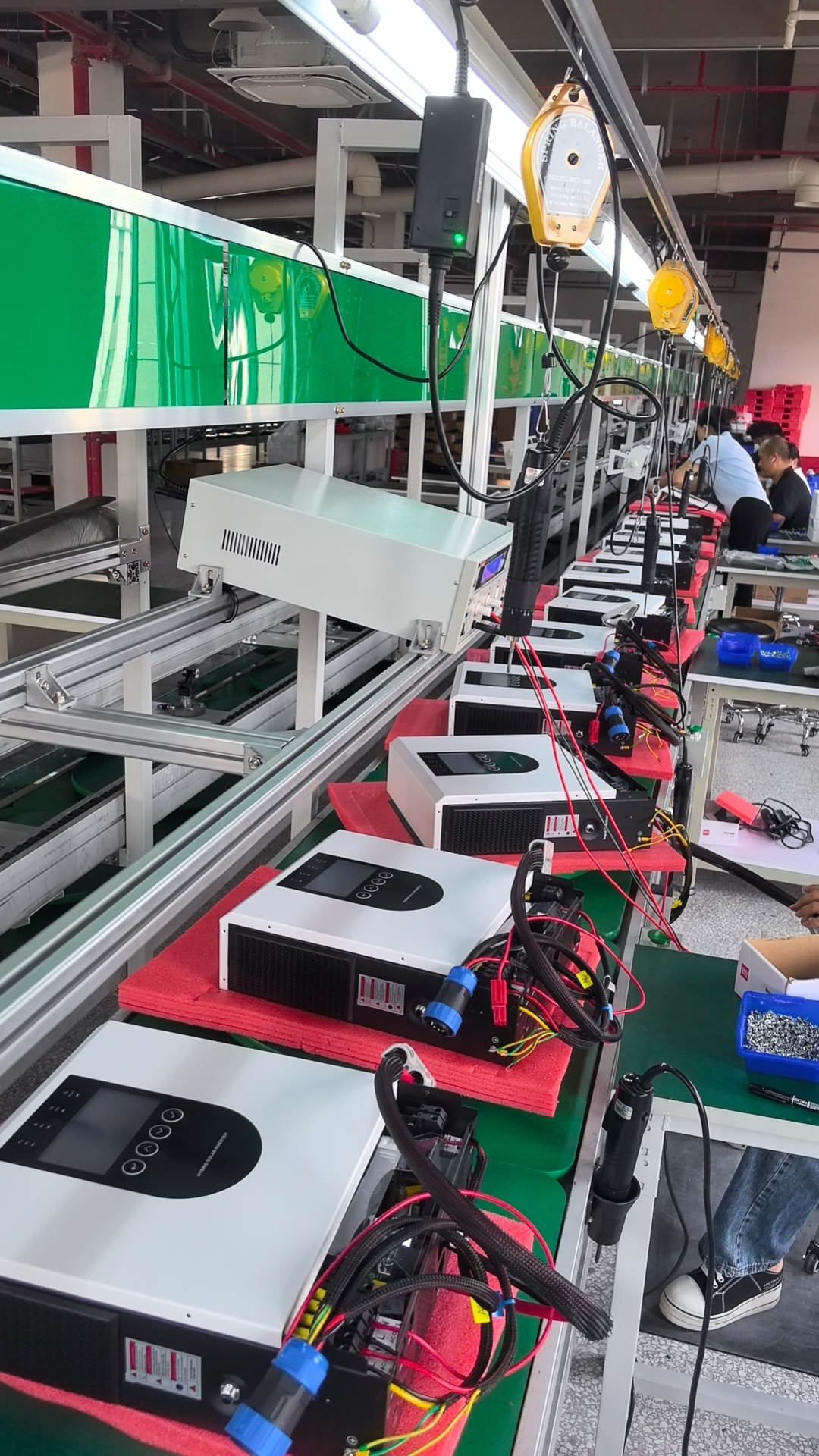
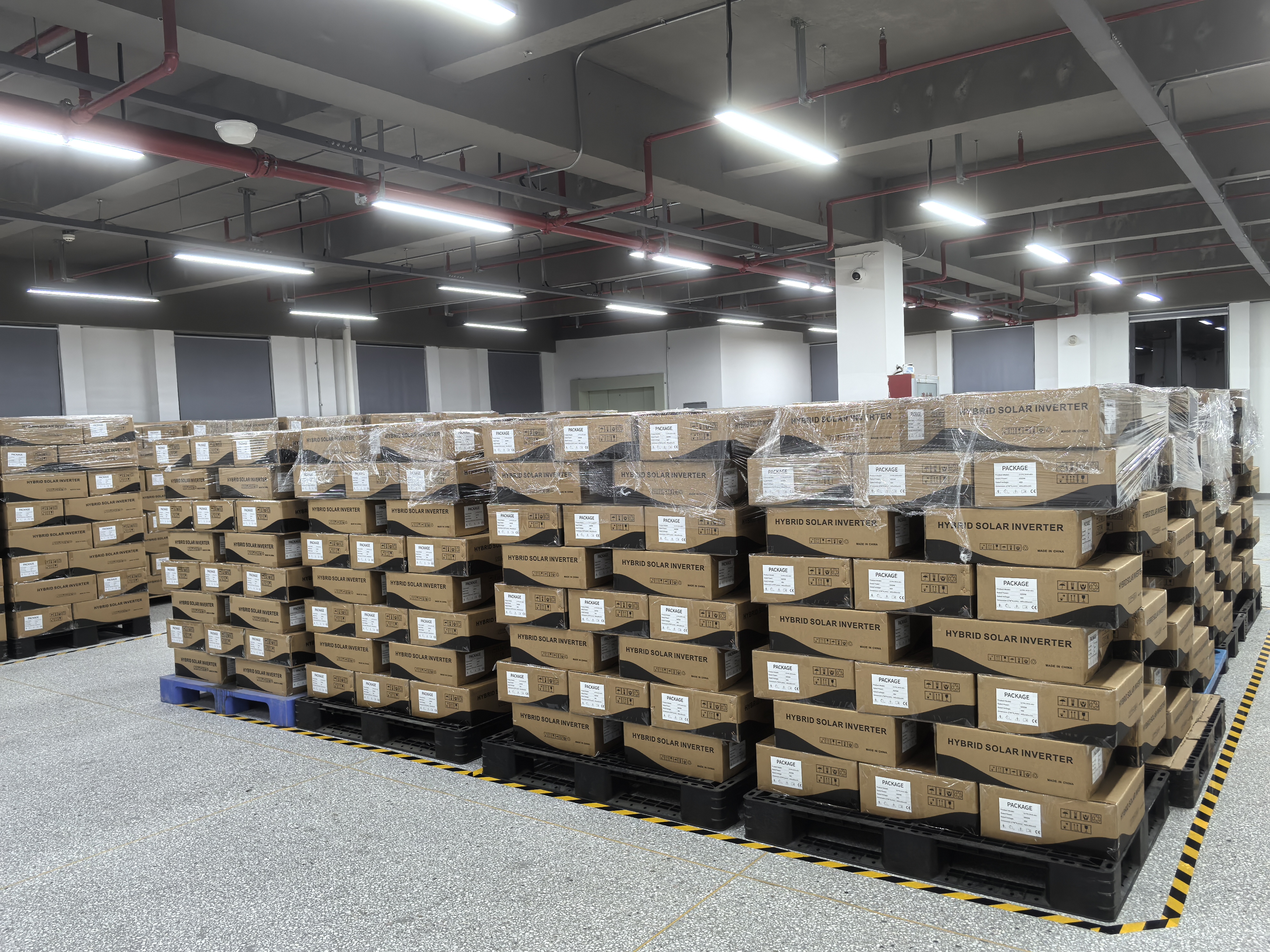
FOSHAN SOLARUP TECHNOLOGY CO.,LTD (GoToSolar) operates three manufacturing bases in Foshan, Yiwu and Yingtan, with more than 20 years of experience in photovoltaic energy storage and in-house R&D and manufacturing. Controller shipments exceed 1 million units annually, daily hybrid inverter production capacity tops 2,000 units, and products are sold to more than 120 countries, serving nearly 2,000 clients worldwide. If your project needs a firm schedule, the practical next step is to request a quotation with your target quantity and confirm the current lead time in writing — the 2025 inverter catalog is available for download below.
Conclusion: The Decision Rule
The comparison reduces to a short decision rule. Choose the SYP6.5KW48V if your project needs 6.5 kW of continuous single-phase output, 12 kVA of surge capacity, a 10 ms transfer time, up to 9000 W of PV input inside a 60–450 VDC MPPT window, a 48 V lithium or lead-acid battery bank with up to 120 A of charge current, and an indoor installation where an IP21 enclosure is appropriate. On that last condition, the published data is unambiguous: IP21 indoor installation delivers a 20%–30% lower initial investment and a 10%–15% lower cost for the same power output than a standard IP65 outdoor inverter, with easier heat dissipation and dust cleaning.
Choose an IP65 outdoor unit instead when the mounting position is exposed to direct rain. That is a different product category with a different cost and maintenance profile, and no price advantage should override it.
Next Step: Sample, Quote or Catalog
If you are evaluating the SYP6.5KW48V for an off-grid or hybrid project, the fastest route to a decision is a sample unit tested against your own load profile. OEM and ODM customization is available, and bulk orders ship with 1% free spare parts and a standard 2-year warranty.
Download the 2025 inverter catalog: 2025 Hybrid Solar Inverter & Controller Catalog (PDF)
Request a sample or quotation: Email wilson@gtsolar.cn or message us on WhatsApp.
FOSHAN SOLARUP TECHNOLOGY CO.,LTD (GoToSolar) — www.gotosolar.com.cn. Manufacturer of hybrid solar inverters and solar charge controllers, with more than 20 years of experience in photovoltaic energy storage and products sold to more than 120 countries.
Have Questions or Need More Details?
Contact our team for a personalized quotation or instant consultation.
Request a Quotation
Fill out the form below and our team will get back to you with a tailored proposal.
WhatsApp Direct Chat
Prefer to chat in real-time? Message us on WhatsApp for instant assistance & quick answers.
- Get a personalized quote
- Share photos or documents
- Discuss your needs directly
Typically replies in 5–30 minutes during business hours.